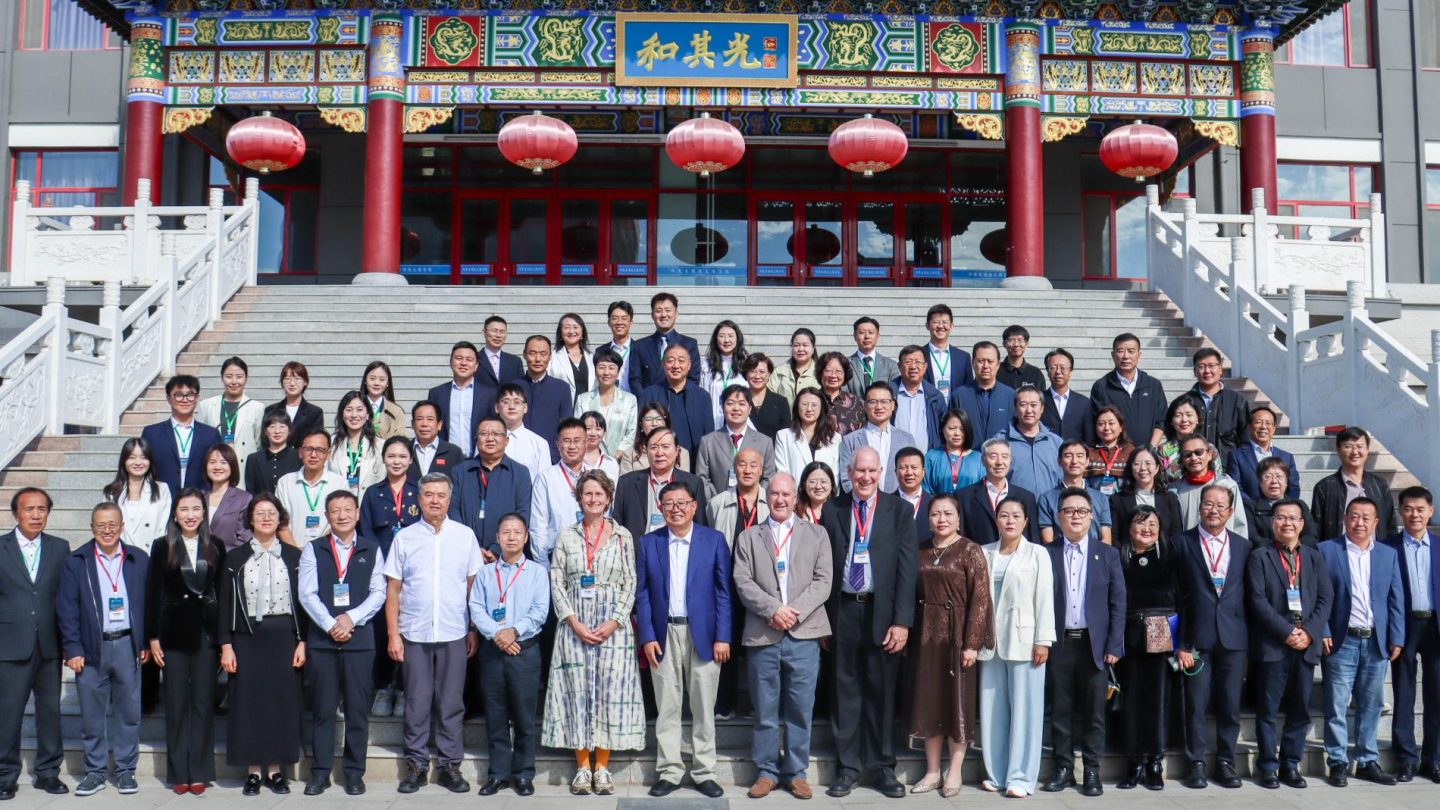
Held at Inner Mongolia Honder College of Arts and Sciences
On September 14, Inner Mongolia Honder College of Arts and Sciences hosted the International Academic Symposium on Rock Art and World Civilization. Experts and scholars from Russia, the United Kingdom, the United States, South Korea, Mongolia and other countries, together with experts and scholars from Chinese universities and research institutions, gathered at the college. A total of 34 Chinese and international scholars and experts engaged in in-depth discussions on frontier fields such as the discovery and research of prehistoric rock art around the world, cross-national archaeological discoveries and research, and mutual learning among prehistoric civilizations and the study of writing and symbols. While taking stock of research progress in the relevant fields, they also fully exchanged views on the priority directions for future academic collaboration and on practical pathways for mutual learning among civilizations.
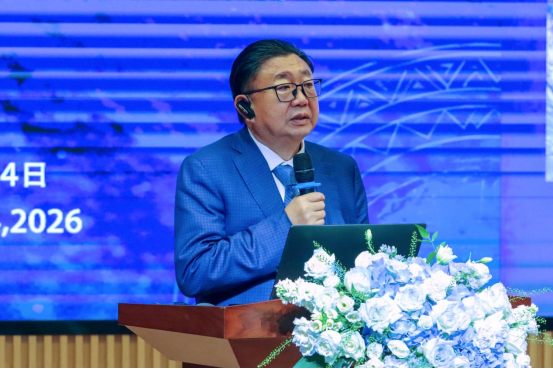
Zhou Yushu, President of Inner Mongolia Honder College of Arts and Sciences, extended a warm welcome to the Chinese and international scholars and experts present. He noted that the college has long taken rock art research as its entry point, carrying out sustained cross-regional and cross-civilization research into the origins of ancient writing and the connections between civilizations, and has achieved eight original discoveries. These findings span directions such as China’s ancient religious system, the origin of Chinese writing, the comparative study of the world’s ancient writing systems, and rock art symbols and the dissemination of civilization. Among them, the research on the prehistoric “Three Sovereigns” system, the decipherment of the ancient seal inscriptions of the Indus Valley, and the examination of the connections between Chinese and foreign rock art symbols and ancient Chinese writing have not only pushed the verifiable origin of Chinese writing further back by a significant margin, but have also provided new perspectives and new evidence for examining the exchange and mutual learning among the world’s civilizations. He said that academic research thrives on exchange and intellectual collision, and expressed his hope that the scholars and experts present would conduct in-depth discussions on the relevant topics, jointly give rise to more high-quality outcomes, and make new contributions to advancing the study of world civilizations.
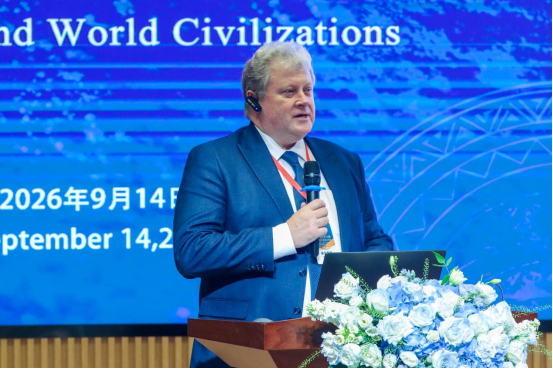
Oleg Nikolaevich Slobotchikov, Rector of the Zhirinovsky University of World Civilizations of Russia, extended warm congratulations on the successful convening of the symposium and sincere thanks to Inner Mongolia Honder College of Arts and Sciences for its gracious invitation. He delivered a keynote speech entitled “Education Is a Bridge to a Peaceful Future.” He noted that the world today is undergoing profound transformation and that the international community faces a complex situation and numerous global challenges. Education is an important bridge to a peaceful future, and institutions of higher learning shoulder an important mission. The Zhirinovsky University of World Civilizations of Russia invites all parties to participate in its international project “Education for Lasting Peace and an Effective World Order,” which has already carried out cooperation with universities in China, India, Pakistan and several Western European countries. He said that universities around the world should deepen international exchanges and cooperation, integrate principles such as peaceful coexistence, mutual respect for sovereignty and territorial integrity, and equality and mutual benefit into their education systems, guide young people to develop a peaceful and friendly worldview, and work together to shape the future world and the international order.
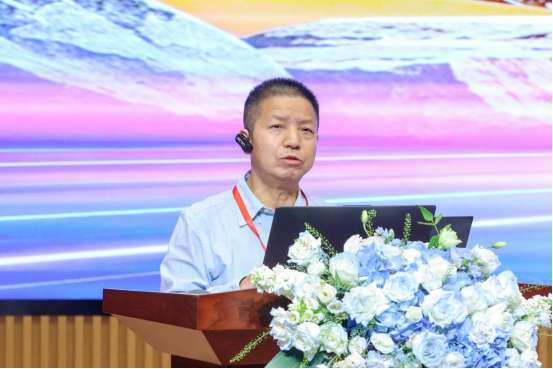
Xiao Xiaoyong, President of the China Rock Art Academy, extended warm congratulations on the convening of the symposium and sincere thanks to Inner Mongolia Honder College of Arts and Sciences for its meticulous organization. He noted that, as a vice-chairman member unit of the China Rock Art Academy, the college has for many years been deeply involved in the construction of the Academy’s high-level research platforms and has achieved notable results in rock art survey, research, teaching and international exchange. He said that the China Rock Art Academy will continue to support Hongde’s exploration and practice in the field of rock art, and expressed the hope that the college will take this symposium as an opportunity to further leverage its own strengths and make even greater contributions to advancing rock art research in China.
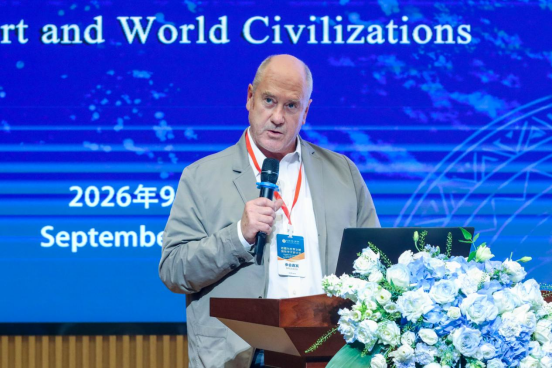
Peter Lyell Robinson, editor of the World Rock Art website of the Bradshaw Foundation, delivered an academic report. He said: “I feel deeply honored to be able to come to Inner Mongolia — a region of unique landscapes, peoples and profound cultural expression that constitutes one of the most important chapters in the global history of rock art. For many years, scholars around the world have cast their gaze on northern China in search of the migration trajectories of ancient populations, the evolution of symbolic behavior, and the rise of rock art traditions that resonate across the Eurasian continent. I feel deeply honored to speak among the scholars who conduct research directly at these sites. Your institute is distinguished by rigorous fieldwork, innovative analytical methods, and a willingness to absorb international perspectives. These qualities are crucial in the field of rock art research — a field that urgently needs collaboration across disciplines such as archaeology, anthropology, geology, chemistry, digital imaging and cultural heritage studies. This research has not only advanced Chinese archaeology, but has also enhanced our overall understanding of how humanity has expressed meaning over thousands of years. Today, I hope to share with you perspectives formed by research in Europe, Australia, Africa, the Americas and other regions, and to explore how these global developments intersect with the remarkable rock art traditions of Inner Mongolia and northern China. My purpose is not to impose an external framework, but to open a dialogue: to compare research methods, examine fundamental assumptions, and consider how international approaches can complement the exploratory foundation that this institute has already established.”
He went on to say: “The Bradshaw Foundation was founded in 1990, and its global rock art research has now developed into a coherent and multifaceted research program centered on ‘documentation, digitization, preservation and scientific innovation.’ When you examine our research results from the perspectives of different regions and projects, we hope you will observe a clear pattern: we serve as a bridge and a hub, connecting archaeologists, indigenous communities, universities and research laboratories to jointly advance the study of rock art.”
He said: “The core purpose of the Bradshaw Foundation is to act as an international catalyst for the discovery, research, preservation and public communication of rock art. Public engagement covers not only ordinary people, but also political figures and legislators. Presenting rock art to different groups is a challenge. Our research approach adopts a ‘paddle, swim, dive’ strategy — providing different levels of information for different audiences. Rigorous scientific evidence is always indispensable, but it is equally necessary to build a clear narrative of points of interest, significance and historical value. I will conclude my lecture with a short film as an example.”
Session One: The Discovery and Research of Prehistoric Rock Art around the World
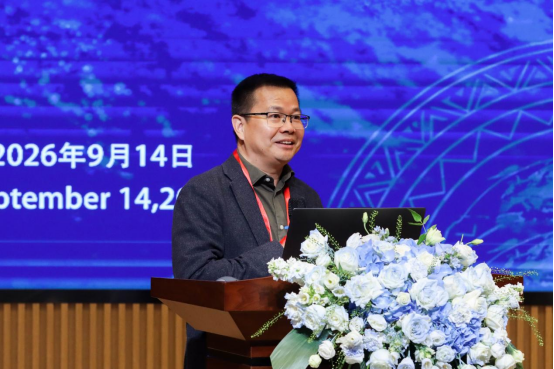
Tong Tao, Researcher at the Institute of Archaeology of the Chinese Academy of Social Sciences, delivered an exchange presentation entitled “The Silk Road across the Himalayas.”
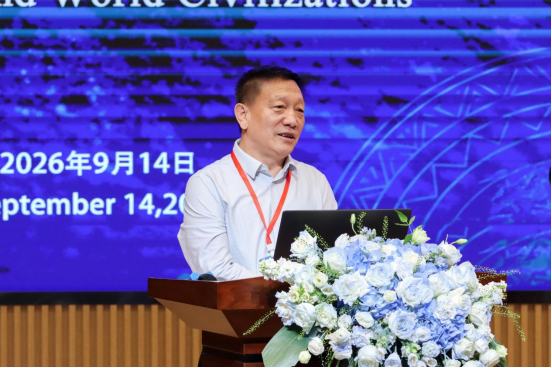
Zhang Wenrui, Director of the Hebei Provincial Institute of Cultural Relics and Archaeology, delivered an exchange presentation entitled “The Discovery and Research of the Hongshan Culture Sites in Hebei Province.”
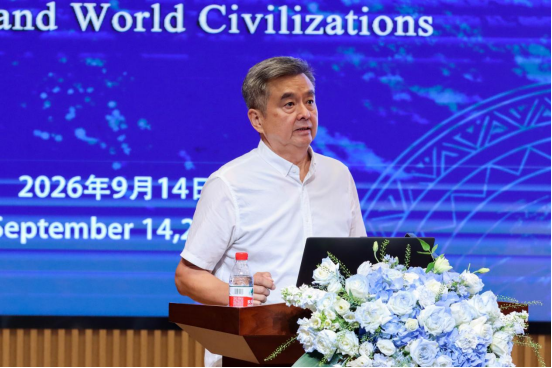
Wang Jianping, Founding President of the China Rock Art Academy, Editor-in-Chief and professor of Chinese Rock Art , delivered an exchange presentation entitled “An Exploration of the Prehistoric Art of the Yinshan and Hetao Regions in the Context of the Stone Age.”
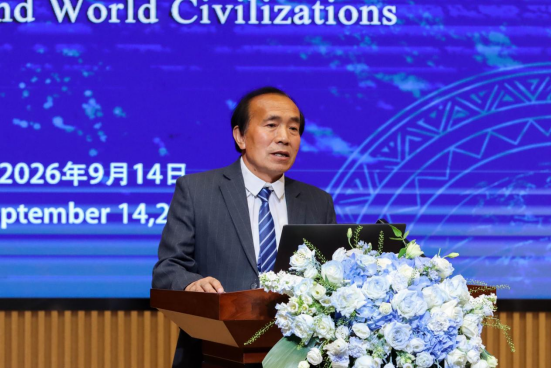
Wu Jiacai, Director of the Rock Art Research Institute of Inner Mongolia Honder College of Arts and Sciences, delivered an exchange presentation entitled “Rock Art in Eleven Distinct Topographies of the Hongshan Culture Area and the Establishment of a Scientific Chronological Framework for Northern Chinese Rock Art.”
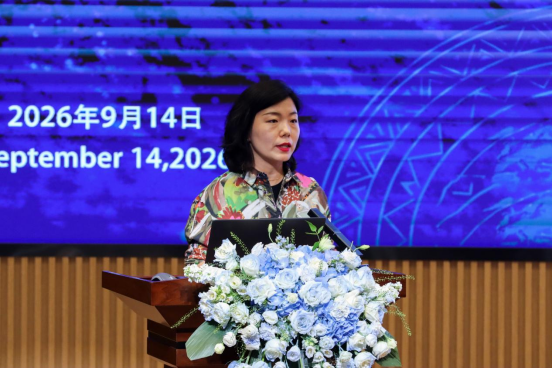
Zhang Xiaoxia, Deputy Dean of the School of Fine Arts of Inner Mongolia Normal University, delivered an exchange presentation entitled “The Construction of Knowledge Graphs for Rock Art Heritage and Trends in Digital Development.”
Session Two: Cross-National Archaeological Discoveries and Research
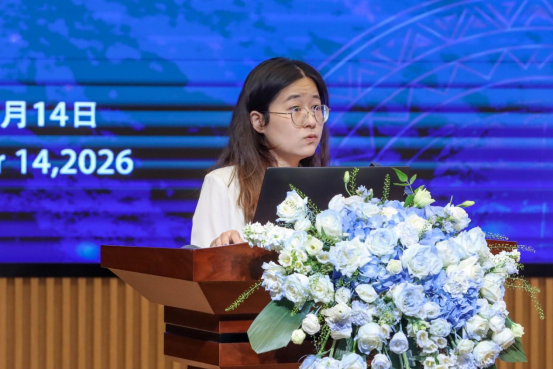
Sang Mengjuan, Director of an Editorial Department and senior editor of the China Overseas Chinese Publishing House, delivered an exchange presentation entitled “The Publication of a Series of Books Including Textual Research on Prehistoric Chinese Rock Writing.”
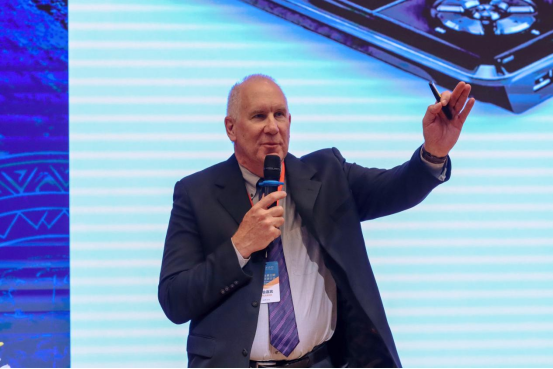
Tim Streker, former Senior Director at Microsoft (United States), delivered an exchange presentation entitled “Moving Forward Hand in Hand.”
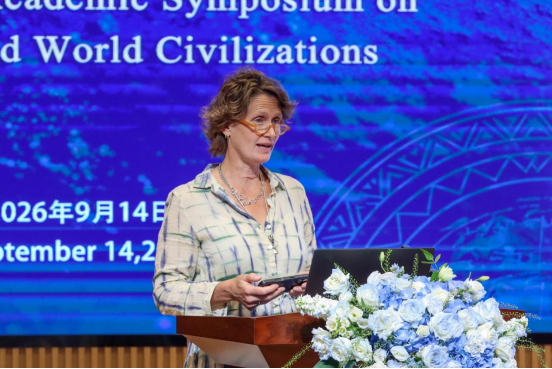
Lucy Deborah Birkbeck, Trustee and Director of the Bradshaw Foundation, delivered an exchange presentation entitled “An Overview of the Bradshaw Foundation.”
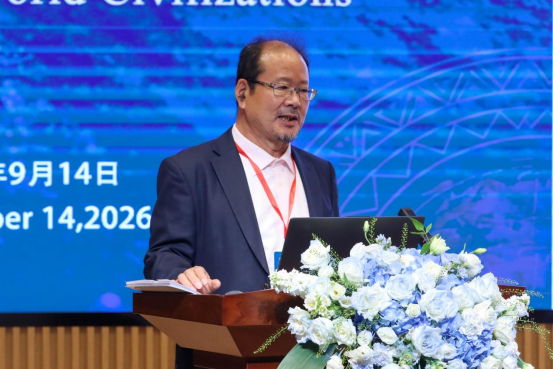
Zhang Xihao, Chief Researcher of East Asian Prehistoric Rock Art and Doctor of Rock Art Archaeology, delivered an exchange presentation entitled “The Rediscovery of Prehistoric Rock Art and Its Value: The Case of the Ulsan Petroglyphs in Korea.”
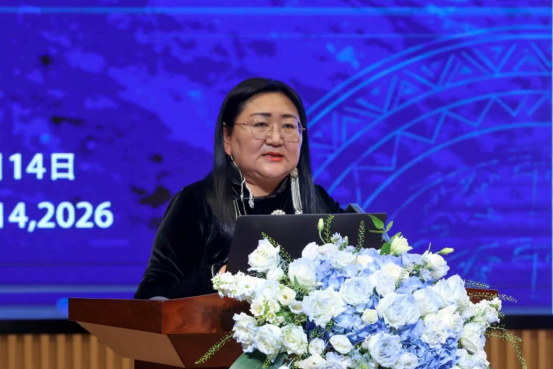
Denaren Sachula, Professor and Head of the Department of History, Culture and Tourism at the Mongolian University of Science and Technology, delivered an exchange presentation entitled “Artistic Expression in the Bayanzurkh Rock Art.”
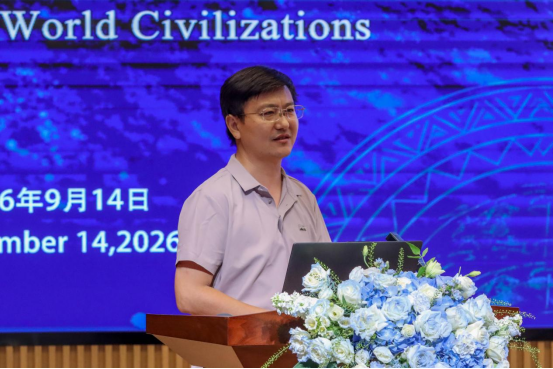
Xiao Bo, Researcher at the Center for Ethnic Studies of Guangxi Minzu University, delivered an exchange presentation entitled “The Distribution and Types of Anthropomorphic Rock Art in Siberia, Russia.”
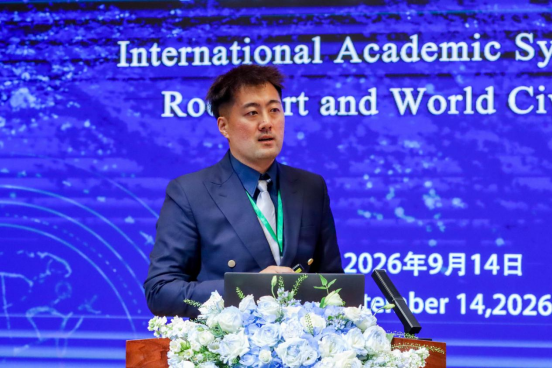
Xing Xuanyu, PhD of the University of the Punjab, Pakistan, delivered an exchange presentation entitled “A Survey of Rock Art in Northern Pakistan.”
Session Three: Mutual Learning among Prehistoric Civilizations and Research on Writing and Symbols (Part I)
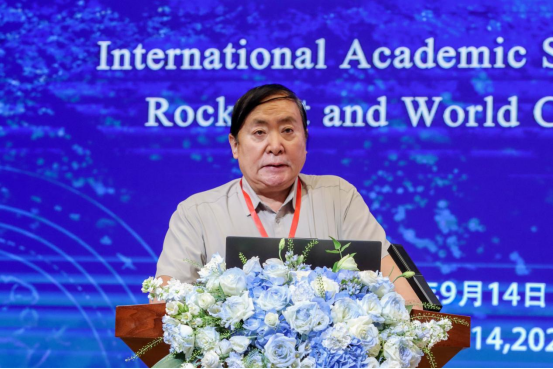
Wang Dafang, Vice President of the Inner Mongolia Society of Cultural Relics, delivered an exchange presentation entitled “A Discussion of Rock Art in the Great Wall Region of Inner Mongolia.”
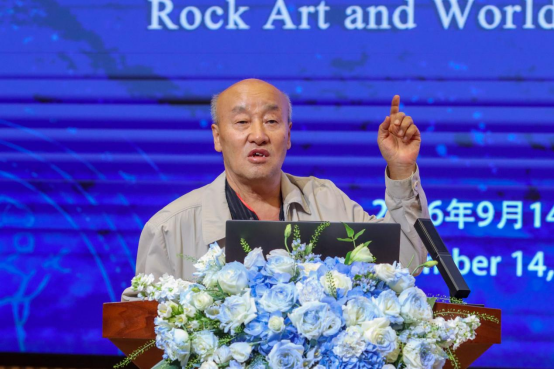
Shao Qinglong, former Director of the Inner Mongolia Autonomous Region Museum, Director and Researcher of the Inner Mongolia Grassland Culture Museum, delivered an exchange presentation entitled “Rethinking the Twin-Deity Figure in the Yinshan Rock Art.”
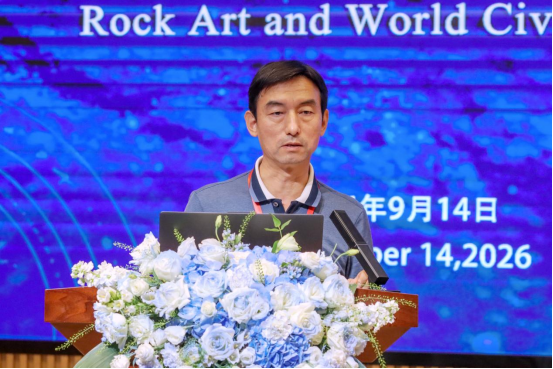
Zhu Lifeng, Professor at the College of Arts of Beijing Union University, delivered an exchange presentation entitled “The Systematic Construction of an Archive Database of Rock Art Heritage from the Perspective of Digital Humanities.”
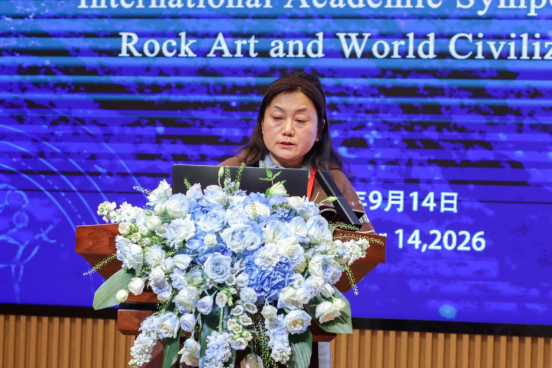
Wu Yanrong, Associate Professor at the Xinjiang Education Institute, delivered an exchange presentation entitled “A Compilation of Xinjiang Rock Art.”
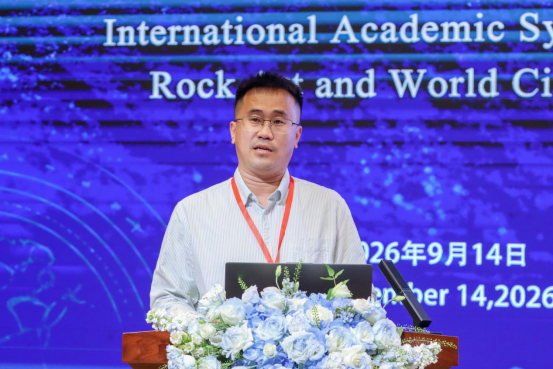
Li Pengzhen, Head of the Department of Archaeology at the School of History and Culture of Inner Mongolia Normal University, delivered an exchange presentation entitled “A Physical Anthropological Study of the Handprint-Patterned Bricks Excavated from the Xiheidai Cemetery in Ordos.”
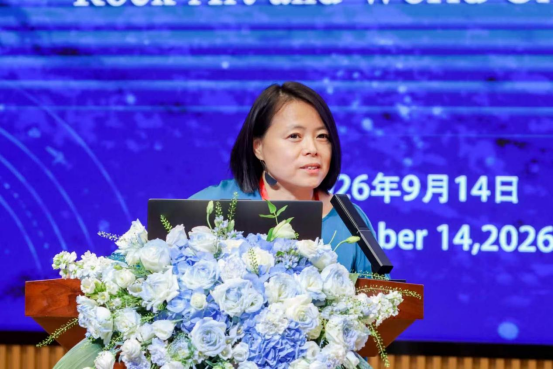
Yu Na, Professor at the School of Arts of Pu’er University, delivered an exchange presentation entitled “A Panoramic Scroll of Prehistoric Human History in Southwest China on the Corridor of Ancient Civilizations Connecting China and the Indo-Pacific — Yunnan Rock Art.”
Session Three: Mutual Learning among Prehistoric Civilizations and Research on Writing and Symbols (Part II)
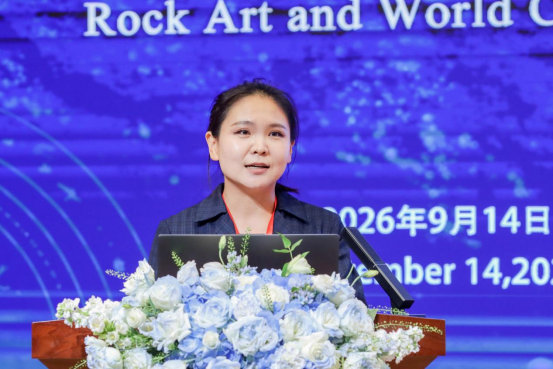
Shi Xu, Assistant Curator of the Hohhot Municipal Institute of Cultural Relics and Archaeology, delivered an exchange presentation entitled “Exploring the Dating and Ethnic Attribution of the Yinshan Rock Art: A Case Study of the Barenhailestai Rock Art in Urad Front Banner.”
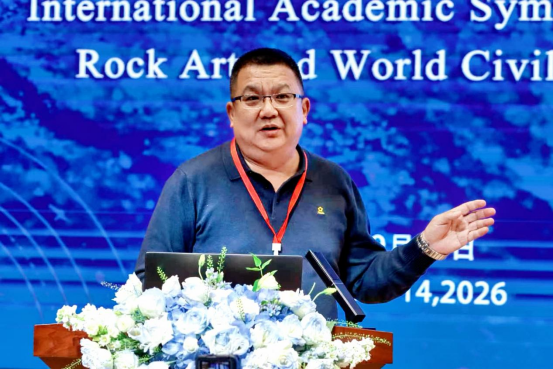
Li Baocheng, Forest Fire Prevention Instructor of the Songling Forestry Bureau of the Greater Khingan Mountains Region, delivered an exchange presentation entitled “The Distribution and Layout of Forest Rock Art.”
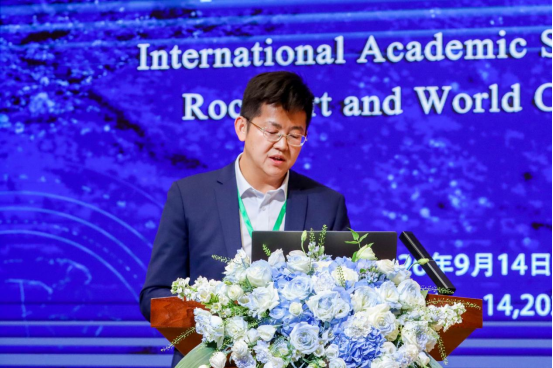
Zhao Tie, Lecturer at the Northern China Rock Art Research Institute of Inner Mongolia Honder College of Arts and Sciences, delivered an exchange presentation entitled “Are Ancient Egyptian Hieroglyphs Chinese?”
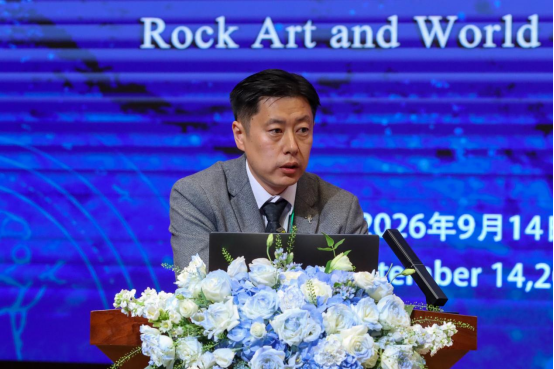
Aruhan, Doctor at the Northern China Rock Art Research Institute of Inner Mongolia Honder College of Arts and Sciences, delivered an exchange presentation entitled “The Discovery and Research of Rock Art in the South Gobi of Mongolia: A Case Study of the Khakhul Rock Art.”
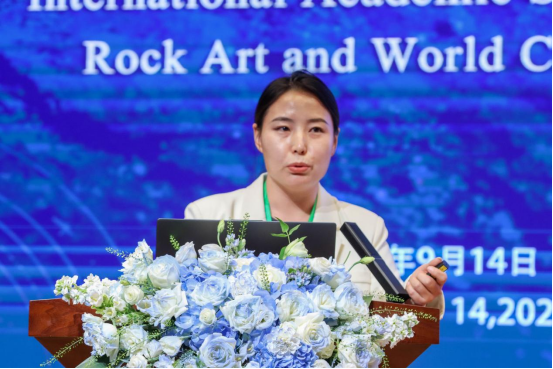
Dorina, Doctor at the Northern China Rock Art Research Institute of Inner Mongolia Honder College of Arts and Sciences, delivered an exchange presentation entitled “An Interpretation of the Masleberg Rock Art.”
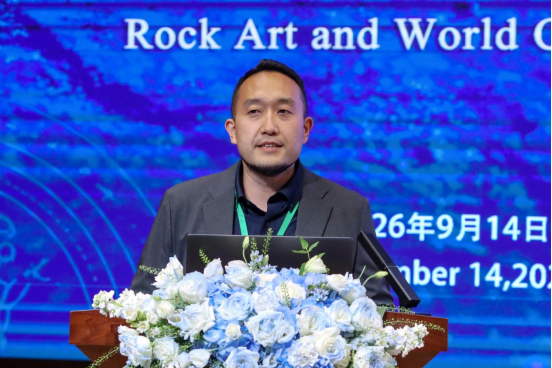
Lao Qing, Teacher of the Department of Humanities at Inner Mongolia Honder College of Arts and Sciences, delivered an exchange presentation entitled “A Discussion of Prehistoric Rock Art in France.”
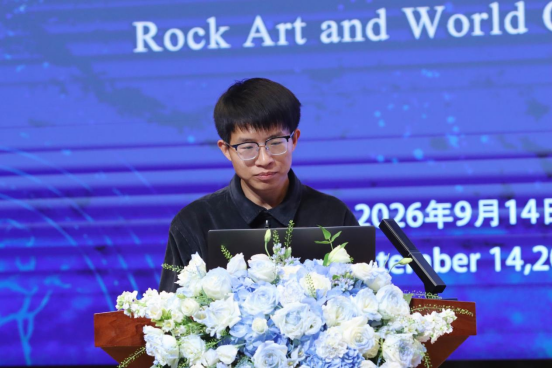
Yan Chenbo, Curator of the Inner Mongolia Grassland Culture Museum, delivered an exchange presentation entitled “The Distribution and Classification of Hunting Rock Art in the Hexi Region and a Comparative Analysis with the Hunting Rock Art of the Yinshan Mountains.”
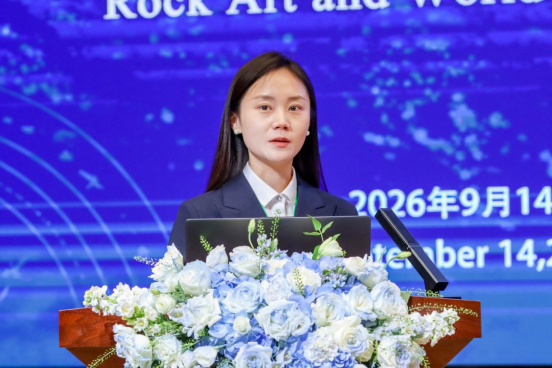
Han Jianing, Teaching Assistant at the Northern China Rock Art Research Institute of Inner Mongolia Honder College of Arts and Sciences, delivered an exchange presentation entitled “A Preliminary Study of the ‘Monument Slab No. 1’ of the Rock Art of the Poti River Canyon in Brazil.”
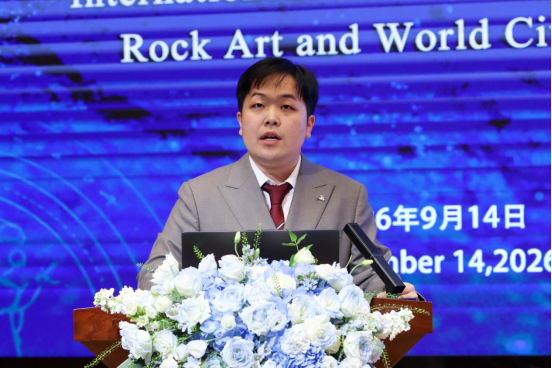
Cai Zechen, Teacher at the Northern China Rock Art Research Institute of Inner Mongolia Honder College of Arts and Sciences, delivered an exchange presentation entitled “A Chinese Reading of the ‘Forty-Two-Chapter Sutra’ Cuneiform Clay Tablet from Mesopotamia.”
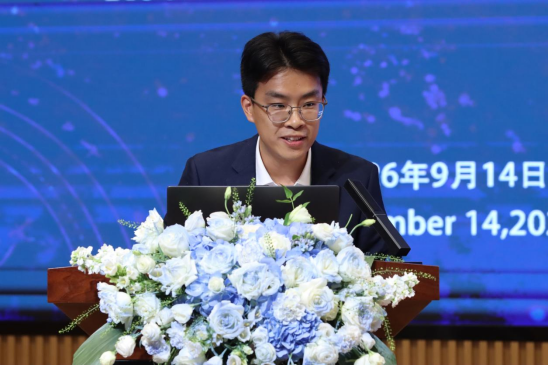
Li Chao, Teacher at the Northern China Rock Art Research Institute of Inner Mongolia Honder College of Arts and Sciences, delivered an exchange presentation entitled “A Tentative Interpretation of the Painted Rock Art of Indonesia.”
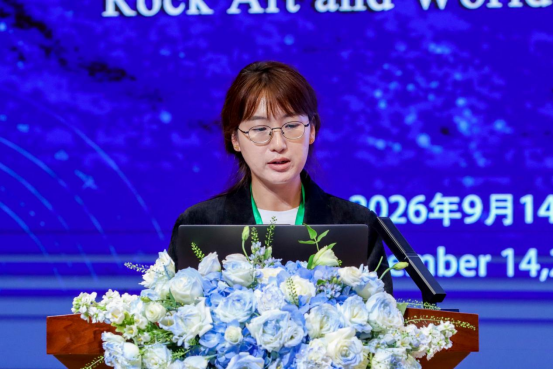
Ao Min, Master’s Student at the School of History and Culture of Inner Mongolia Normal University, delivered an exchange presentation entitled “A Preliminary Study of the Pinglan Painted Rock Art in the Greater Khingan Mountains.”
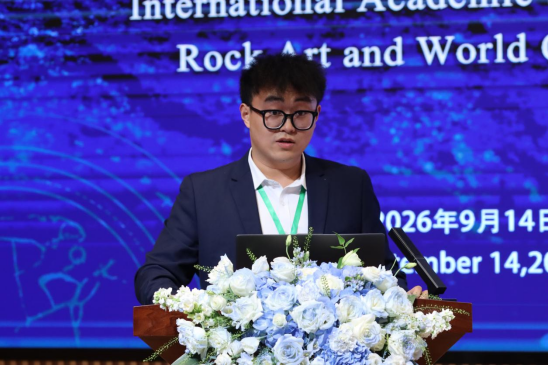
Liu Zhengyi, Master’s Student at the School of History and Culture of Inner Mongolia Normal University, delivered an exchange presentation entitled “A Survey of the Huahushu Rock Art.”
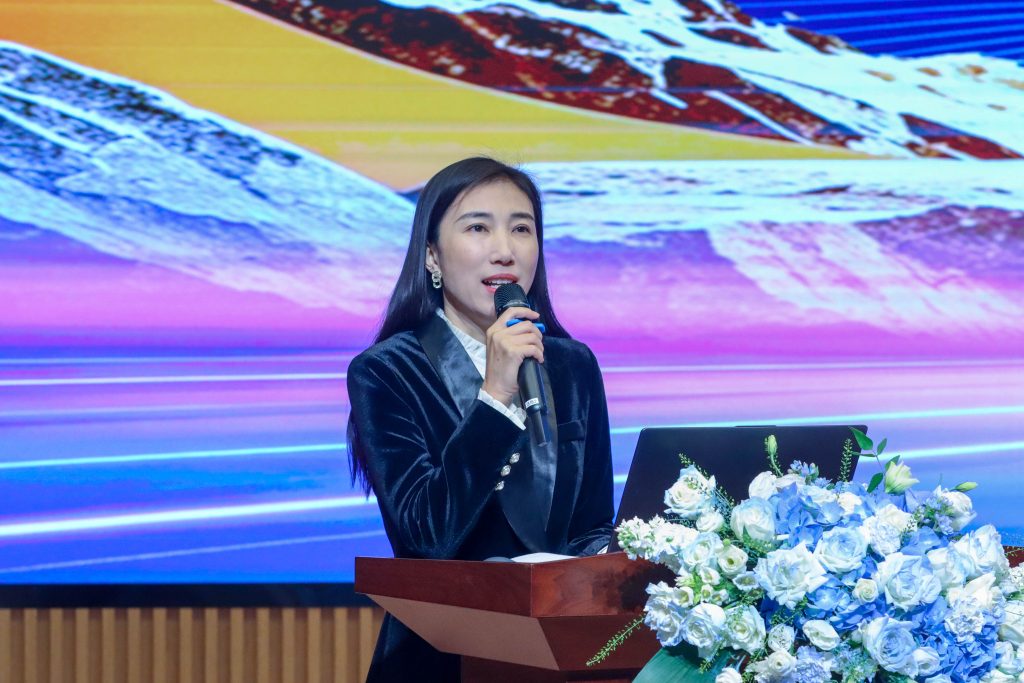
Wang Jiali, Vice President of Inner Mongolia Honder College of Arts and Sciences, presided over the opening session of the conference.
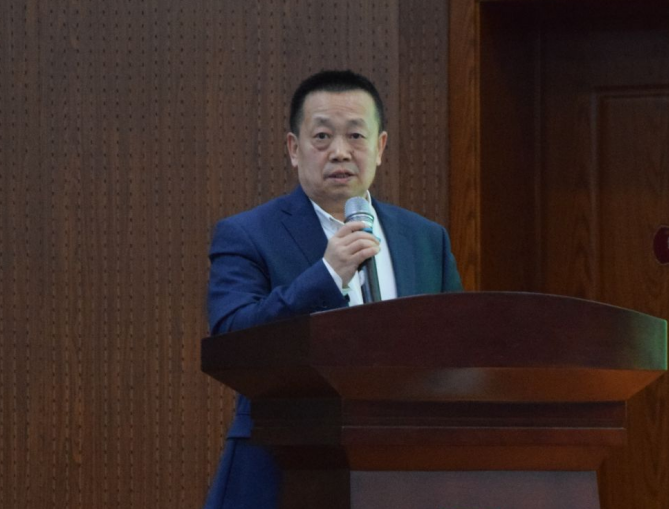
Session One was chaired by Chen Yongzhi, former Director of the Inner Mongolia Museum.Session Two by Wu Jiacai, Director of the Northern China Rock Art Research Institute of Inner Mongolia Honder College of Arts and Sciences; Session Three by Zhang Wenrui, Director of the Hebei Provincial Institute of Cultural Relics and Archaeology; and Session Four by Xiao Xiaoyong, President of the China Rock Art Academy.
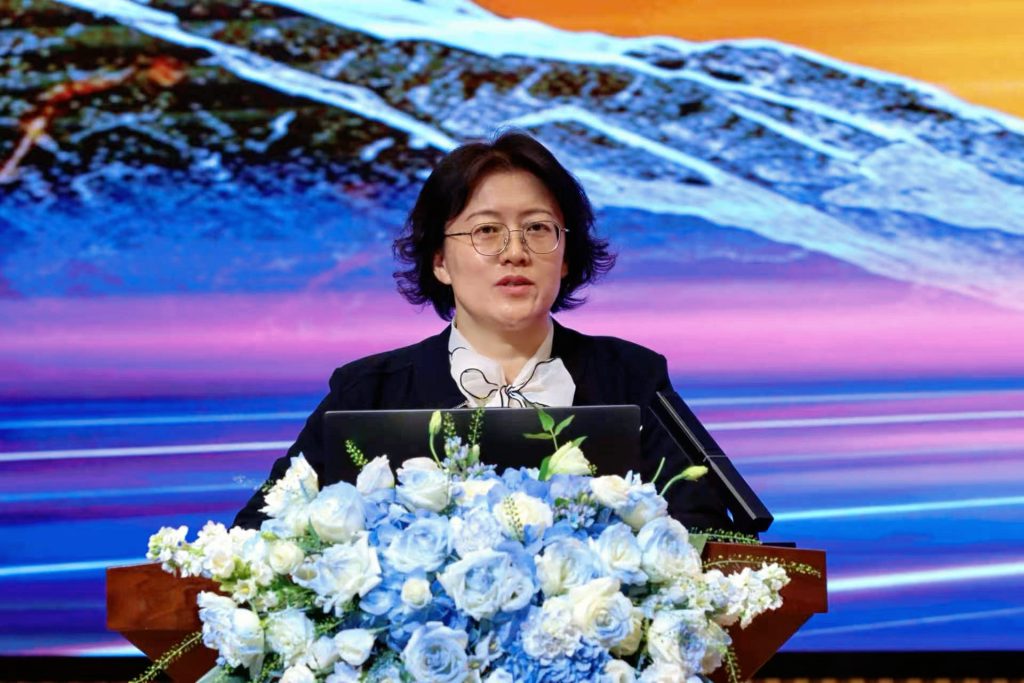
Zhang Xueyu, Deputy Secretary of the Party Committee of Inner Mongolia Honder College of Arts and Sciences, delivered the concluding summary of the symposium.
Interpreters for this symposium:
English — Shi Lizhen, Tang Jun, Bai Lei and Liu Lijie;
Russian — Yibugelitu;
Korean — Shao Yi;
Mongolian — Dorina.